It was 2015, and my wife, Lindsey, and I were walking through Babies “R” Us, registering for baby shower gifts ahead of the arrival of our first child, Moses. It was an exciting time for us, but I’ll admit, I was a little distracted that evening. I was texting back and forth with Jake Hirschmann because we’d just pulled off something big.
We had signed Von Wafer.
For those who don’t follow basketball, Von was a McDonald’s All-American who went on to play at Florida State before being drafted by the Los Angeles Lakers in 2005. He spent several years in the NBA with multiple franchises, then kept playing overseas. Needless to say, the guy had a pretty impressive basketball résumé.
And for two guys who weren’t working in professional basketball full-time, getting somebody with those credentials to play for our little TBT team felt like a HUGE deal.
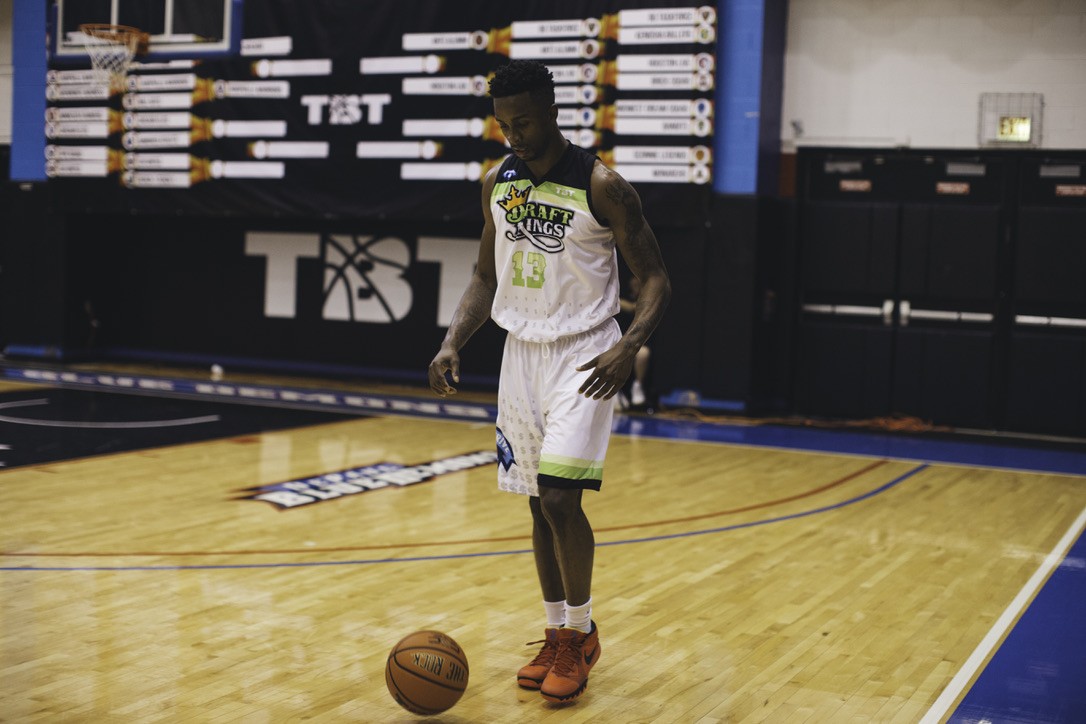
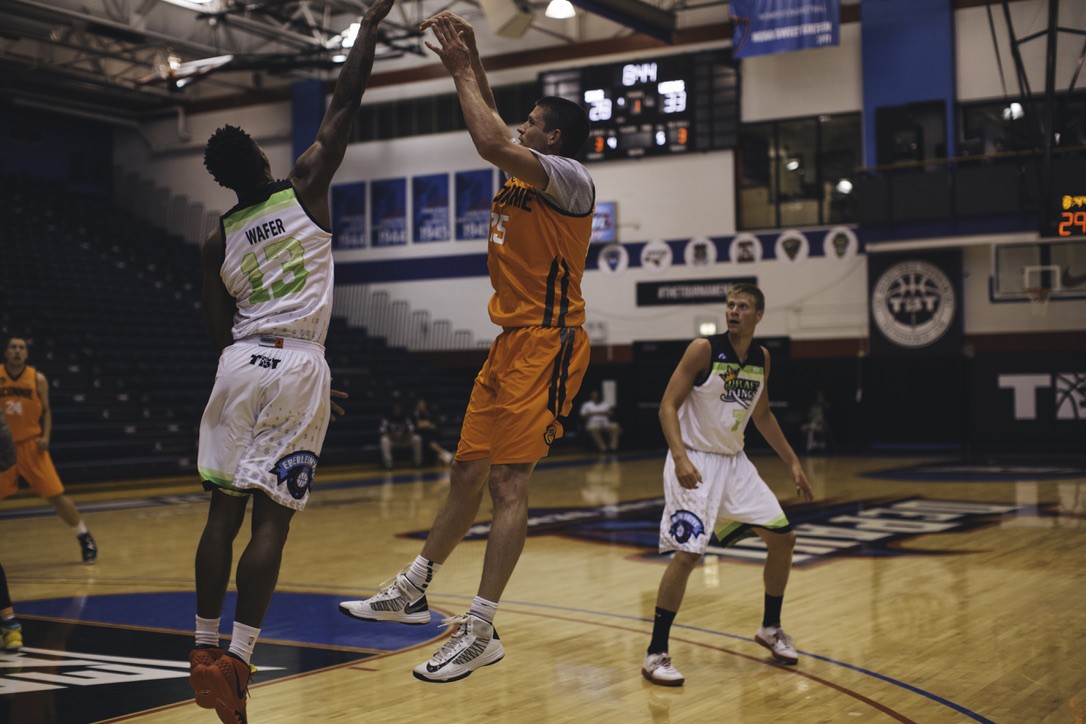
You have to understand how new we were. If you’re unfamiliar, The Basketball Tournament (TBT) is a single-elimination summer basketball tournament where professional players compete for a winner-take-all prize. In 2015, it was only in its second year, and Jake and I had recently teamed up to build Eberlein Drive, named after the street he grew up on. We didn’t have much of a reputation, we certainly didn’t have much money, and we were asking legitimate professional players to give up part of their summer to compete with us. So landing a former NBA player felt like validation. Like maybe we were actually starting to figure this thing out.
I was SO excited. Lindsey, not quite as much. She was standing in a baby store while I stared at my phone, which is something she’s had to put up with quite a bit over the last 13 years. Haha.
Looking back, that moment is a good snapshot of how I approached recruiting in those early years. I wanted guys with NBA experience. Former draft picks. McDonald’s All-Americans. Big-time college players with impressive stats. I’d get almost as excited about landing a recognizable name as I did about what that player might actually bring to our team.
Now, none of that is a knock on Von. He’s an awesome guy, and somebody I still keep in touch with more than a decade later. And we were trying to win basketball games, so recruiting talented players mattered. It still does. But I spent a lot more time evaluating what a guy had accomplished than trying to understand who he was, how he’d fit with the other guys in the room, or what he might bring beyond his basketball ability.
That didn’t change overnight. It took years of recruiting, competing, making mistakes and getting to know hundreds of players. Somewhere in there I figured out that recruiting a bunch of great basketball players and building a great basketball team are two very different things. I’ve come to believe that’s true in business, too, and really anywhere a group of people is trying to build something together.
Recruiting a bunch of great basketball players and building a great basketball team are two very different things.
One guy who helped me see that was Lou Amundson. And funny enough, Lou had an impressive résumé himself. He spent 10 years in the NBA, and by the time he joined us he’d been around pro basketball long enough to have seen just about everything. But when I think about Lou, the NBA stuff isn’t what comes to mind first. It’s how he treated people. If I called him, he answered. If I texted him, he responded. He was respectful, grateful for the opportunity and carried himself like an absolute pro. He showed up on time, ready to work, and almost immediately he became a leader, encouraging guys, speaking up in practice and setting the standard for how things should be done.
Lou was on the team for the first TBT win Jake and I ever had, back in 2017, which probably explains my soft spot for him. He came back in 2018, and that team made it all the way to the championship game. I still remember the dinners after wins that summer. We’d all go out together, and Lou would order appetizers for the table, make sure everybody was taken care of and sometimes quietly grab the check. That might not sound like much, but remember where we were then: We didn’t have sponsors covering our expenses. Heck, we still had players paying for their own hotels! And here’s a former NBA guy going out of his way to take care of his teammates.
Lou was a talented player, but what made him so valuable to us went beyond the court. Guys loved being around him, and he made the people around him better in ways that never showed up in a box score.
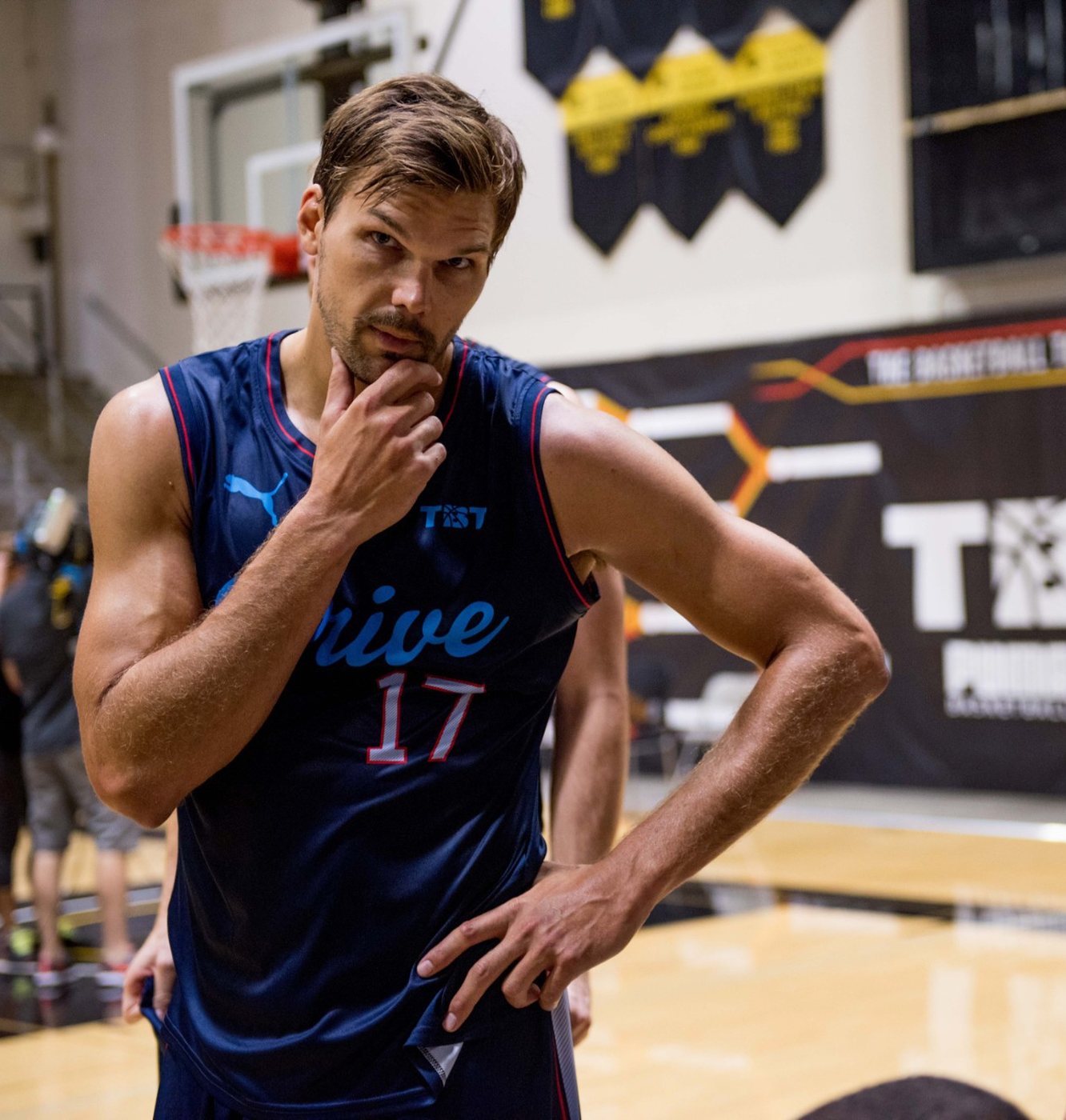
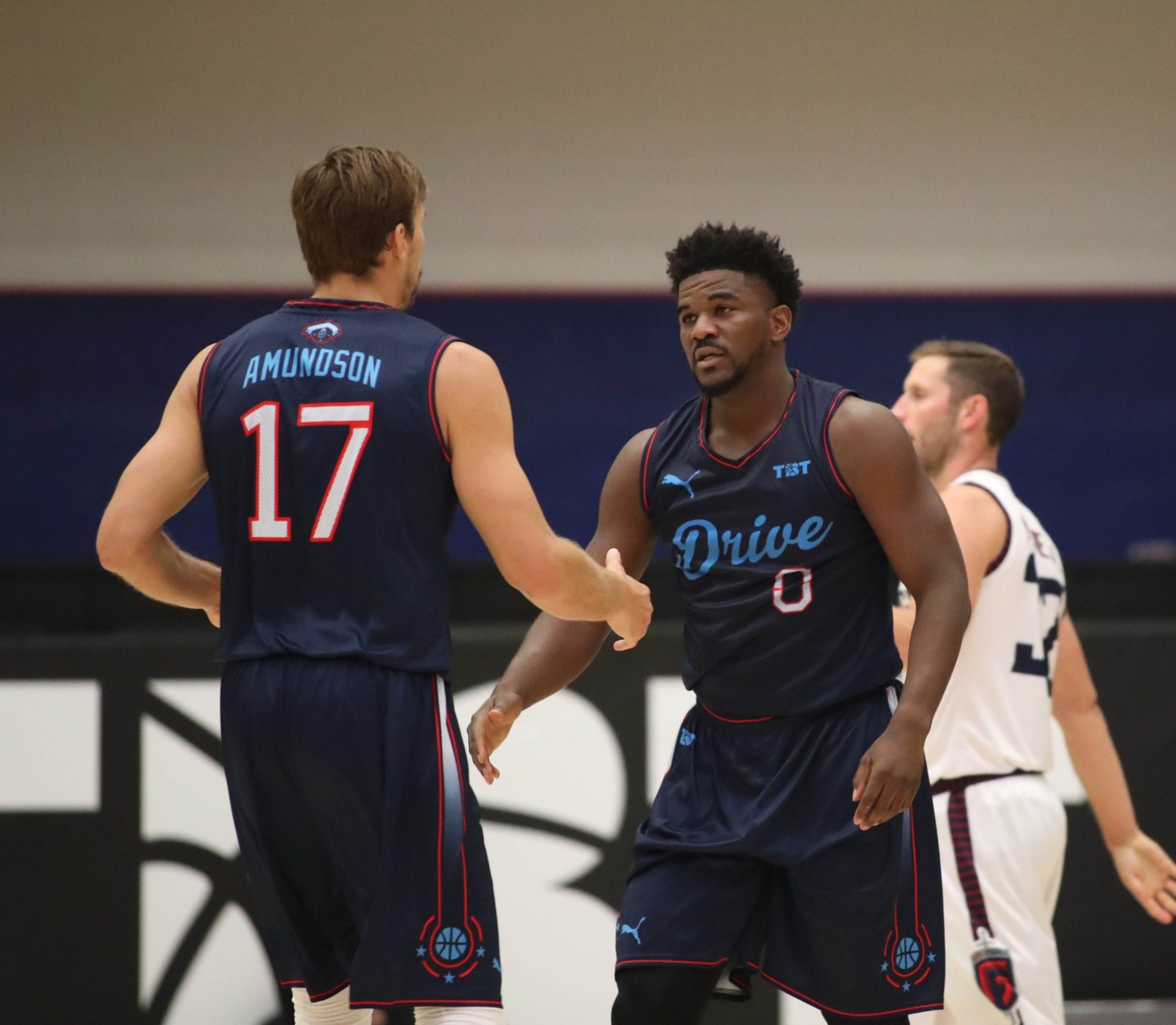
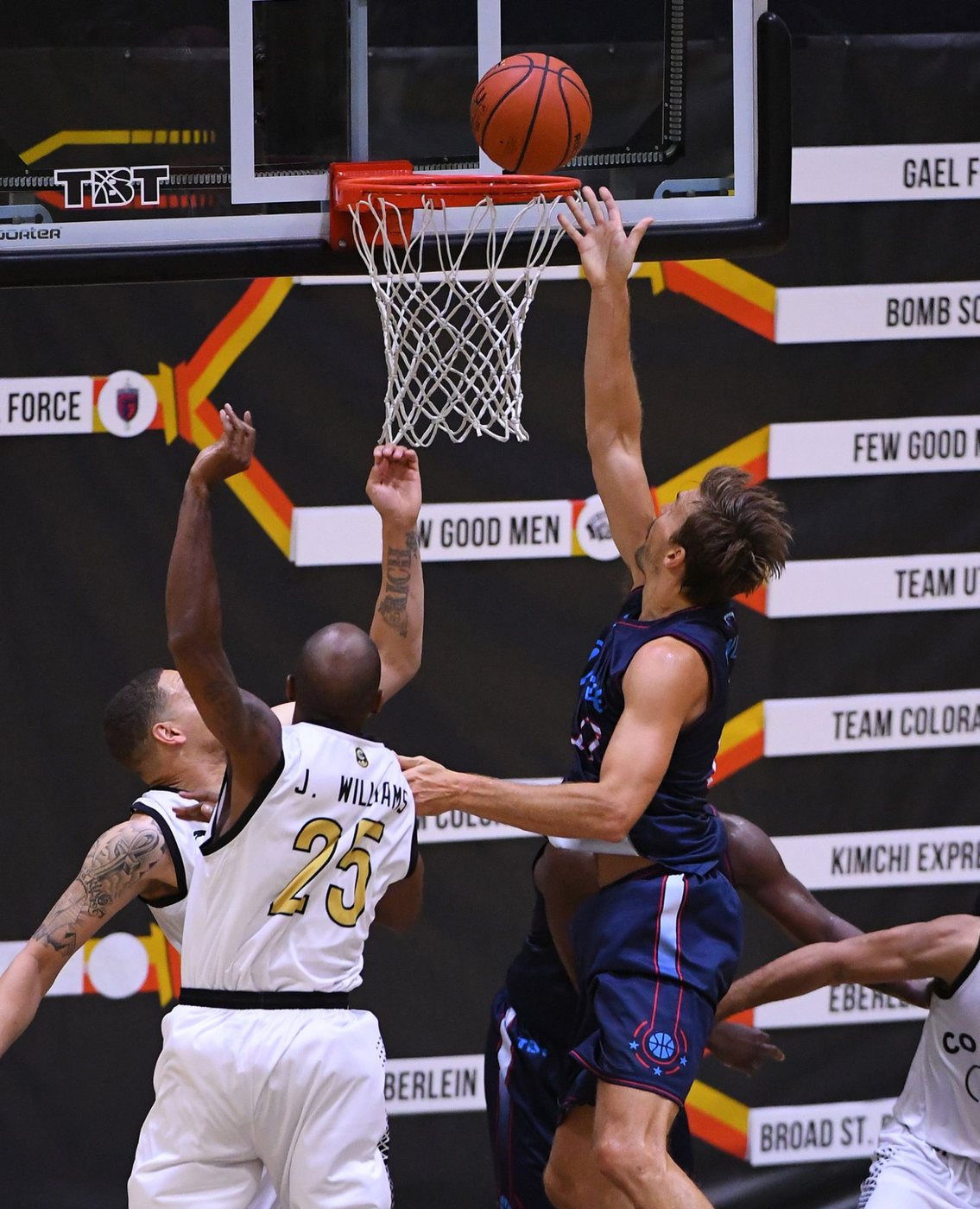
When I think about Lou, the NBA stuff isn’t what comes to mind first. It’s how he treated people.
Of course, I’ve learned just as much from the times we got it wrong.
We’ve had a lot of really good people come through our program, plenty of them incredibly talented and incredible teammates. But Jake and I have made our share of recruiting mistakes, too. Over the years, there were a couple of guys where we saw a red flag and decided to take the risk anyway, going against our better judgment because their talent was just too intriguing to pass up. We talked ourselves into it. Sometimes it worked out. Other times… not so much.
It was only a couple of guys out of the hundreds of players we’ve worked with, and I’m not going to name names. Every one of them is somebody I wish well, and that decision was on us, not them. We were chasing the talent, and the talent doesn’t tell you how a guy handles a smaller role, a tough loss or a teammate getting his minutes.
One of the more humbling moments of our TBT journey came in 2023. Just days before we were supposed to play, between injuries, contract complications and a couple of guys who bailed at the last minute, we were scrambling just to field a team. After several good years in a row, it felt like the nightmares from the early days were back.
What bothered me most wasn’t the embarrassment. It was knowing we’d let down the guys who trusted us and showed up anyway. They’d taken time away from their families, rearranged their schedules and traveled to be with us, and they held up their end of the deal. We didn’t hold up ours.
Some of it was outside our control. But as the general managers, Jake and I were responsible for putting that roster together, and I owned my part in it.
What meant the most was how some of them responded. After the game I talked with Archie Goodwin, a former NBA first-round pick out of Kentucky and one of the longest-tenured players in our program. I apologized, thanked him for sticking with us, and right there Archie told me he’d be back in 2024.
I don’t think he realizes how much that meant.
AJ Slaughter, another guy who’d been with us for years, stuck with us through that too. Both of them had every reason to be frustrated, and they could have walked away and wanted nothing to do with us again. Instead, they gave us another chance. I count both of them as real friends, and I’ll never forget it.
They could have walked away and wanted nothing to do with us again. Instead, they gave us another chance.
That experience changed how I recruit. Talent still mattered, but I needed to know a lot more about who I was bringing in. Could I count on them? Did they understand what they were committing to, and did they want to be part of what we were building? I wanted to do a better job of getting to know people before asking them to join us.
Today, one of the first things I do is get a guy on a video call. FaceTime, Google Meet, whatever works. I still do plenty of recruiting by text and phone, but there’s real value in sitting down, even virtually, and getting to know somebody.
It’s not a formal interview with rehearsed questions. It’s just a conversation. I introduce myself, share our story and explain what we’ve been building and why I care about it so much. I ask where he’s living, how his season is going, what he knows about TBT and whether he has relationships with any of our guys. I jokingly call it a “vibe check,” but I’m trying to learn a lot. Who is this guy? How does he communicate? What motivates him? Would he fit with the group we’re building? And just as important, I want him to get to know me, too.
I’m also upfront about expectations. If somebody asks about playing time or how many shots he’ll get, that doesn’t automatically make him a bad teammate. These are professional athletes, and of course they want to play. But roles and minutes are our coaches’ job. Mine is to get the right people in the door, guys who’ll do whatever gives the team the best chance to win, whether that means scoring 30 points or scoring three.
That mattered even more when we put together our 2026 roster, the Davis Steel team that would go on to win it all. We brought back seven players from the year before, which for us is pretty remarkable. Some of that was unfinished business after coming so close in 2025, but that doesn’t tell the whole story. We’d been in that exact spot before. In 2018 we lost in the championship game, and only a couple of guys came back the following year.
2025 felt different.
I knew we had a special group before we ever got to the title game, and even after we lost, the relationships didn’t disappear when everybody went home.
Our group chat stayed active all year, with guys checking in, sending memes and following each other’s careers. When our guard Terrell Brown Jr., who we call TB, made a run to the G League Finals after a great season, the chat was full of guys supporting him and celebrating. They were scattered all over the world, playing and living their lives, but they stayed connected. That told me as much about what we’d built as anything that happened on the court. They liked each other, they respected each other, and they wanted another shot at it together.
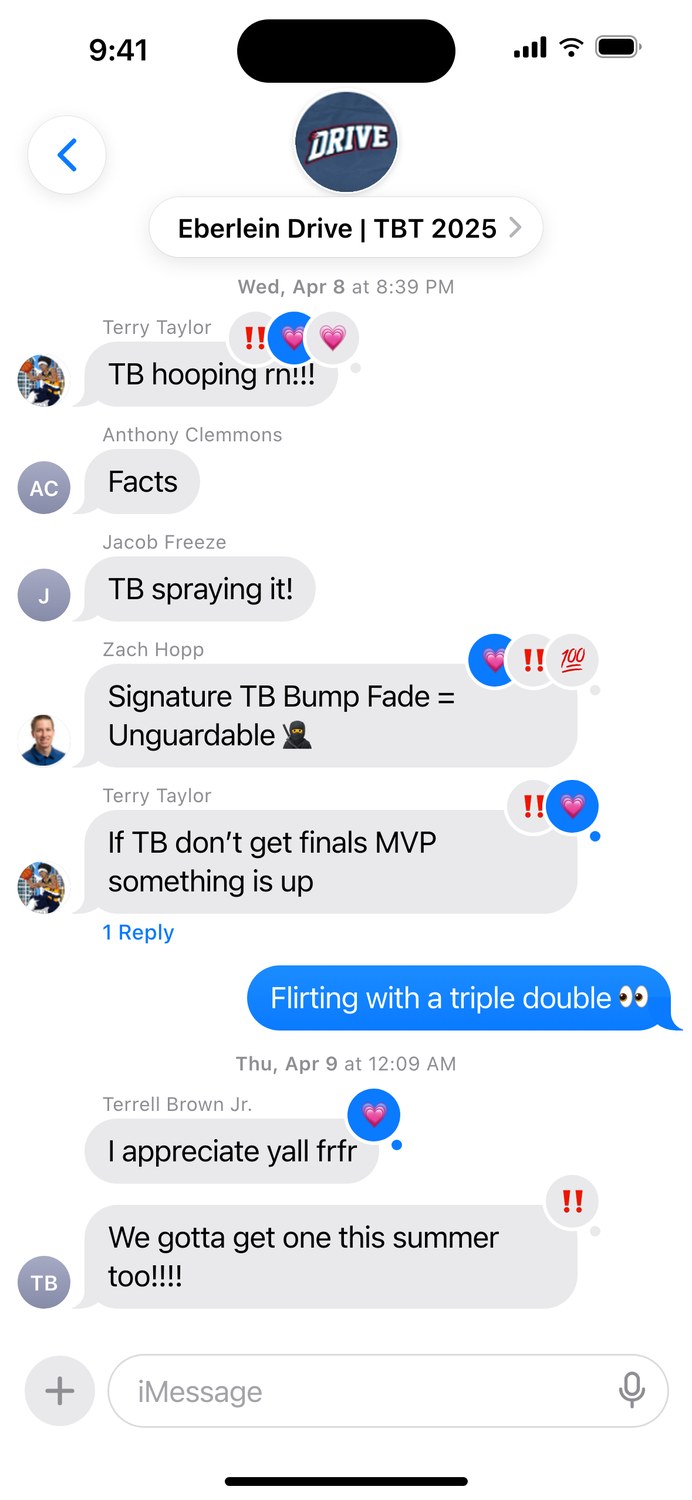
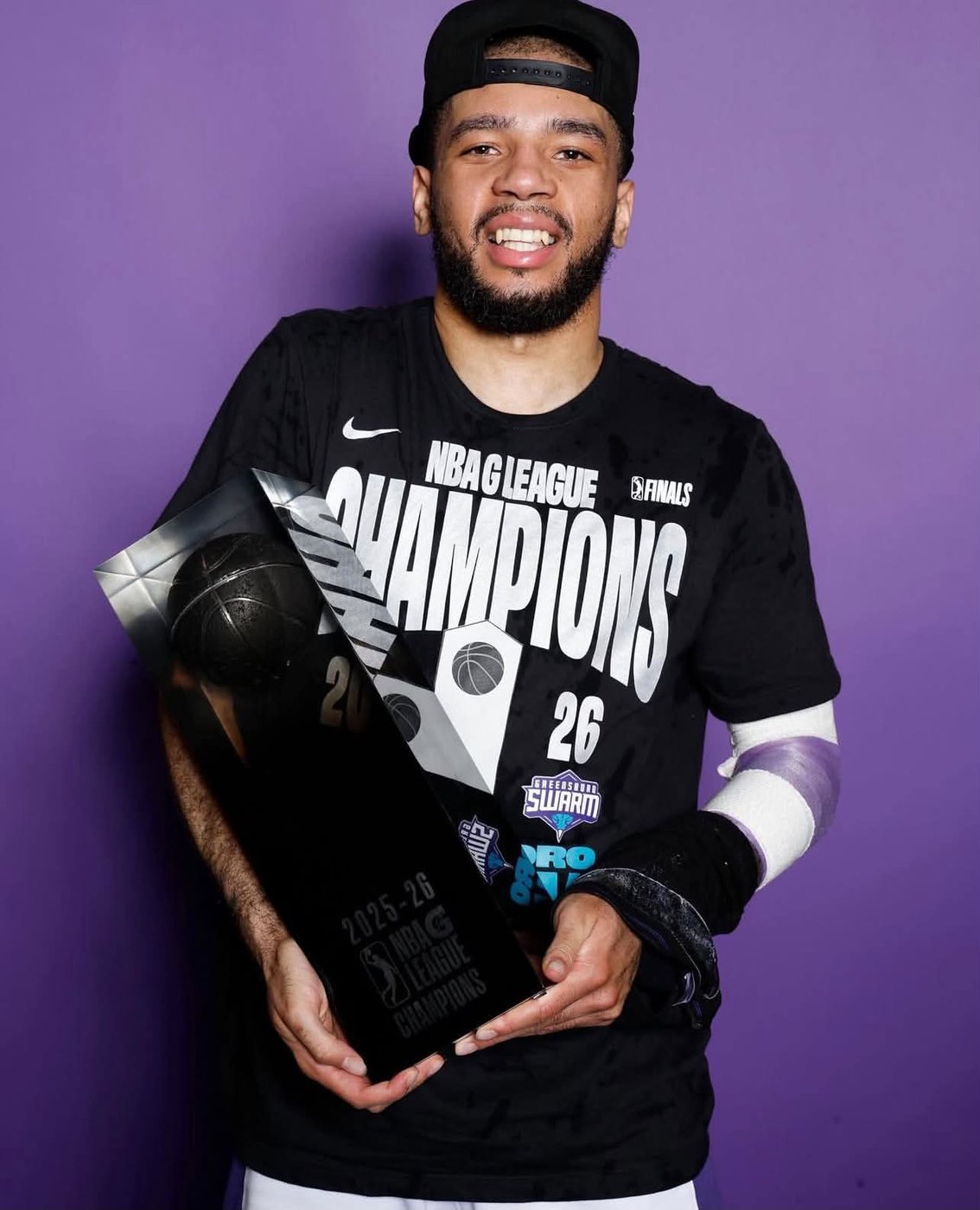
So when it came time to build the roster, we didn’t need to reinvent the wheel. We needed to bring back that core and add a few guys who complemented it. Jake and I were upfront with prospects about the elephant in the room: we’d been very good the year before and were returning most of our best players. Some of the best responses were from guys who basically said, “Understood. I just want to be part of it.”
Now, we were loaded with talent in 2026, and you don’t win a championship without it. But there are a lot of really good basketball players out there, and plenty of them could have helped us but just might not have been the right fit for this particular group.
Two moments during that tournament captured what made this group special.
The first came after our opening win. Our head coach, Mike Malat, was going through his postgame thoughts in the locker room, recognizing guys, talking about what we needed to clean up and doing what coaches do. Eventually he got to Thomas Rutherford, a big man out of UC Irvine who has played for us the last two years and has spent his pro career overseas and in the G League.
Tommy hadn’t played much that night, and Coach started to acknowledge it, explaining how he’d go back to the film, look at the rotations and see how to get Tommy more involved. Before he could really finish, Tommy pretty much cut him off.
I’m paraphrasing, but he told Coach he had absolutely NOTHING to apologize for. We’d won, and that’s what mattered. He was there to win a championship. If the team needed him on the floor, he’d give everything he had, and if it needed him on the bench, he’d be the best teammate and cheerleader he could be.
Whatever gave us the best chance to win.
I remember sitting there with chills, because I knew how special that was. Here’s a pro who has spent his whole life competing for minutes, opportunities and recognition, telling the entire room that none of it mattered more than the team. The other guys loved it, and you could feel how much they respected him for it. I also remember thinking it would be hard for anybody to complain about their role after that. Haha.
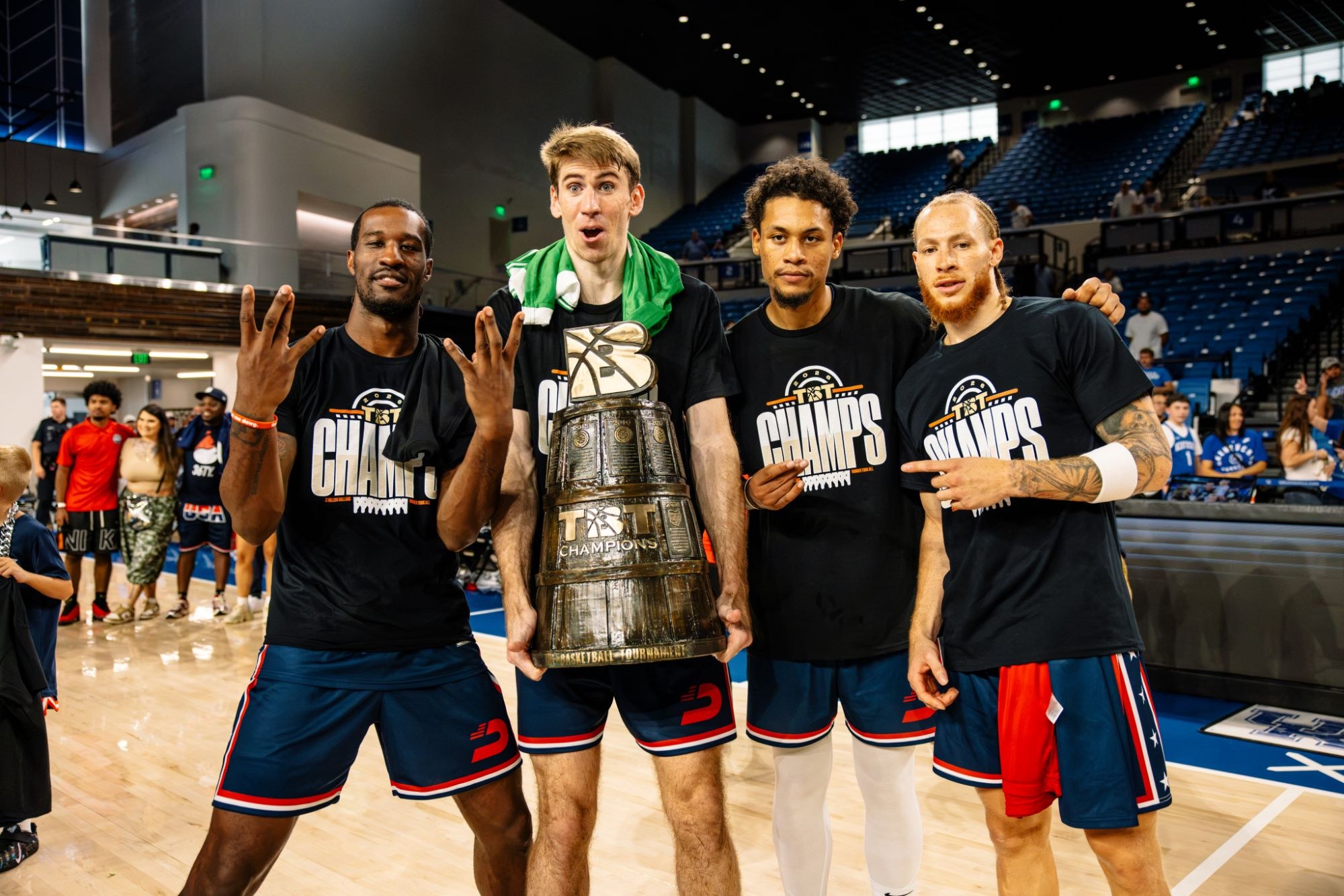
If the team needed him on the floor, he’d give everything he had, and if it needed him on the bench, he’d be the best teammate and cheerleader he could be.
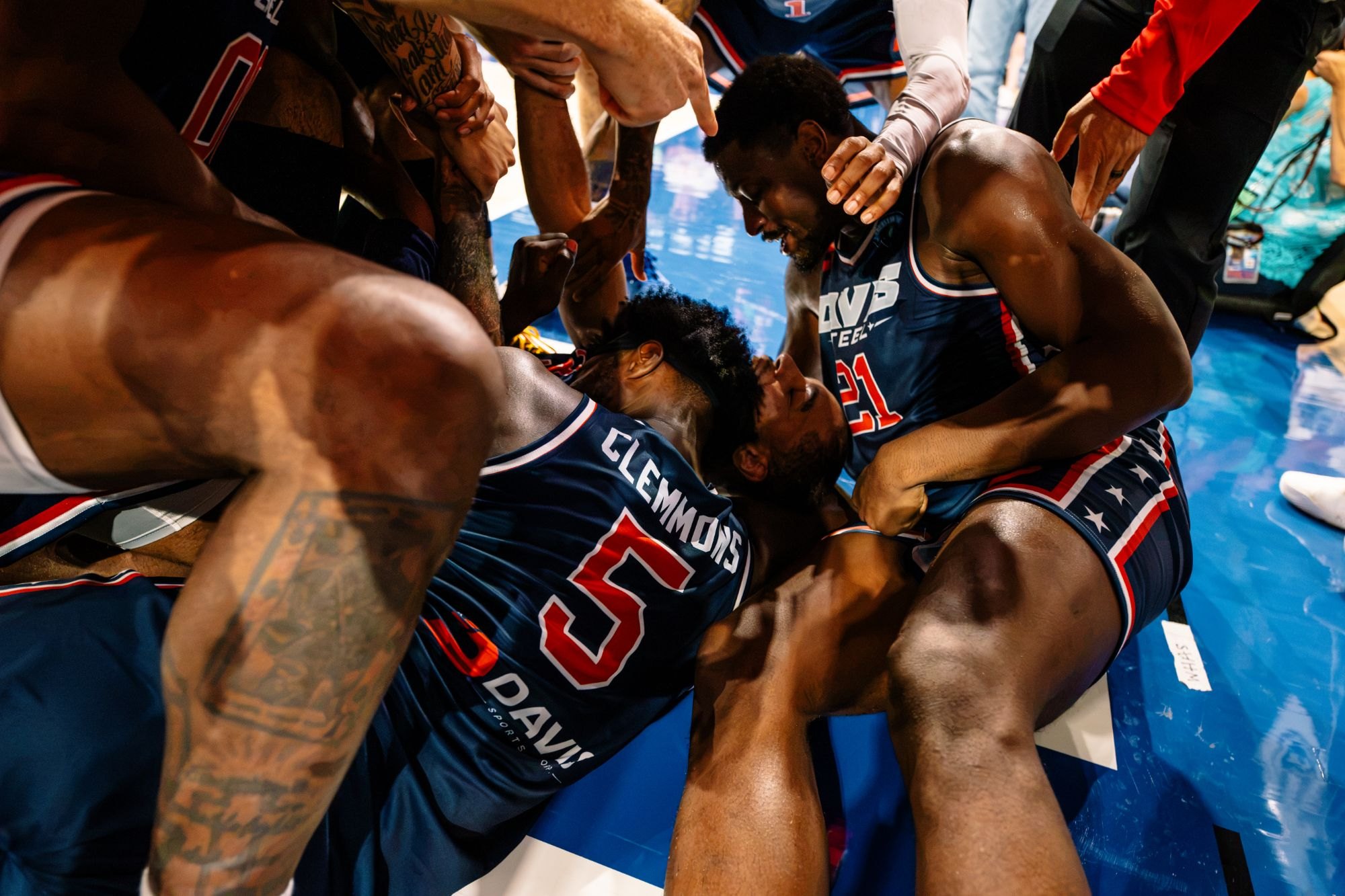
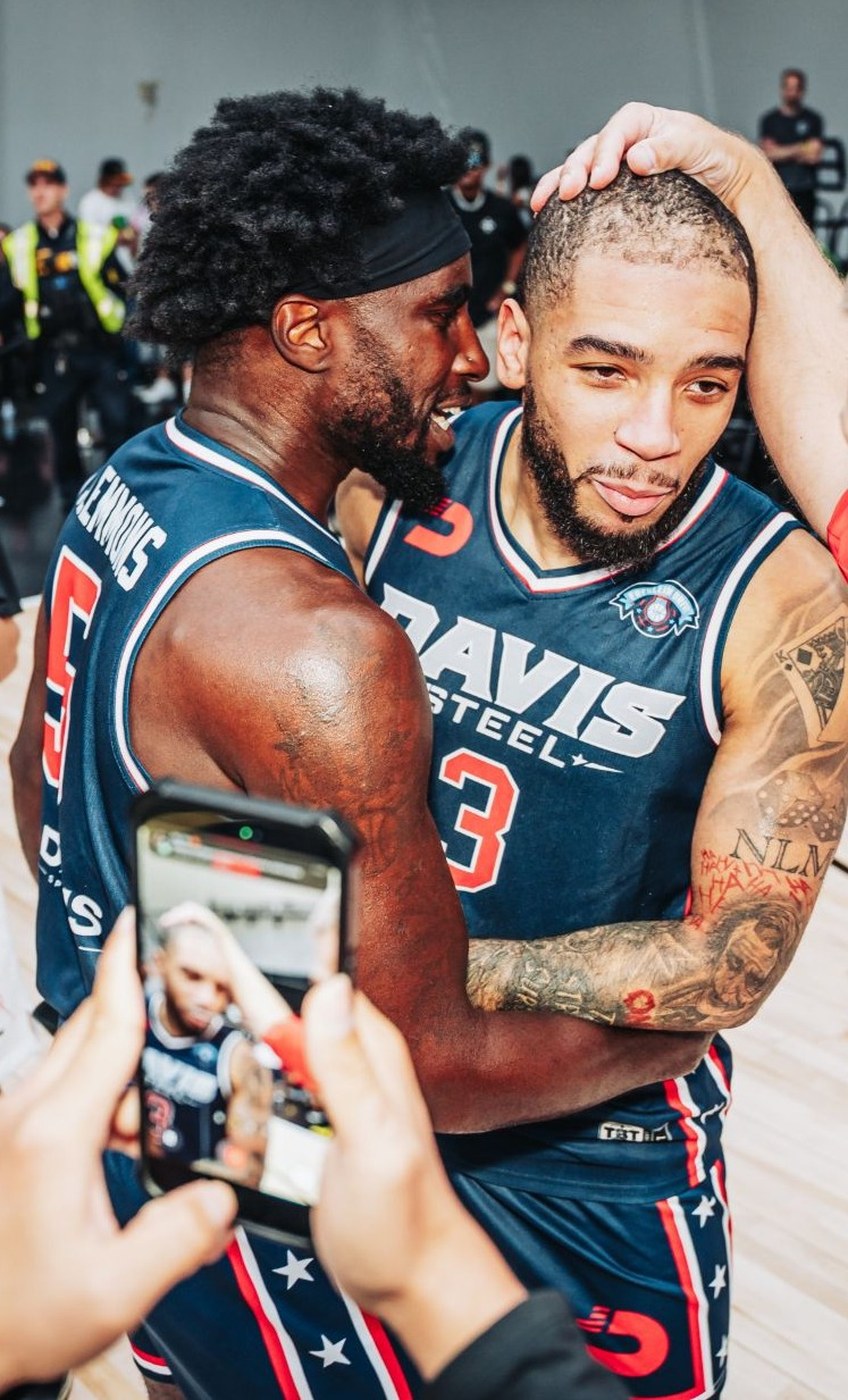
The other moment involved Terrell Brown Jr. and Anthony Clemmons. TB had been our backup point guard for the previous two years. Anthony, who we call Sapp, was the starter and a tremendous player we knew could help us win.
But Sapp had a wedding that meant he’d miss training camp and the first two games of the tournament. For a while I wasn’t even sure we could justify giving him a roster spot. In TBT every game is win or go home, and by the time Anthony could get there we very well could have been eliminated. But we knew how valuable he was, so we decided to bring him back. We were upfront with TB about it, too: with Sapp out, he’d be our starting point guard.
We won our first two games, and TB played a big part in both.
Then Sapp arrived.
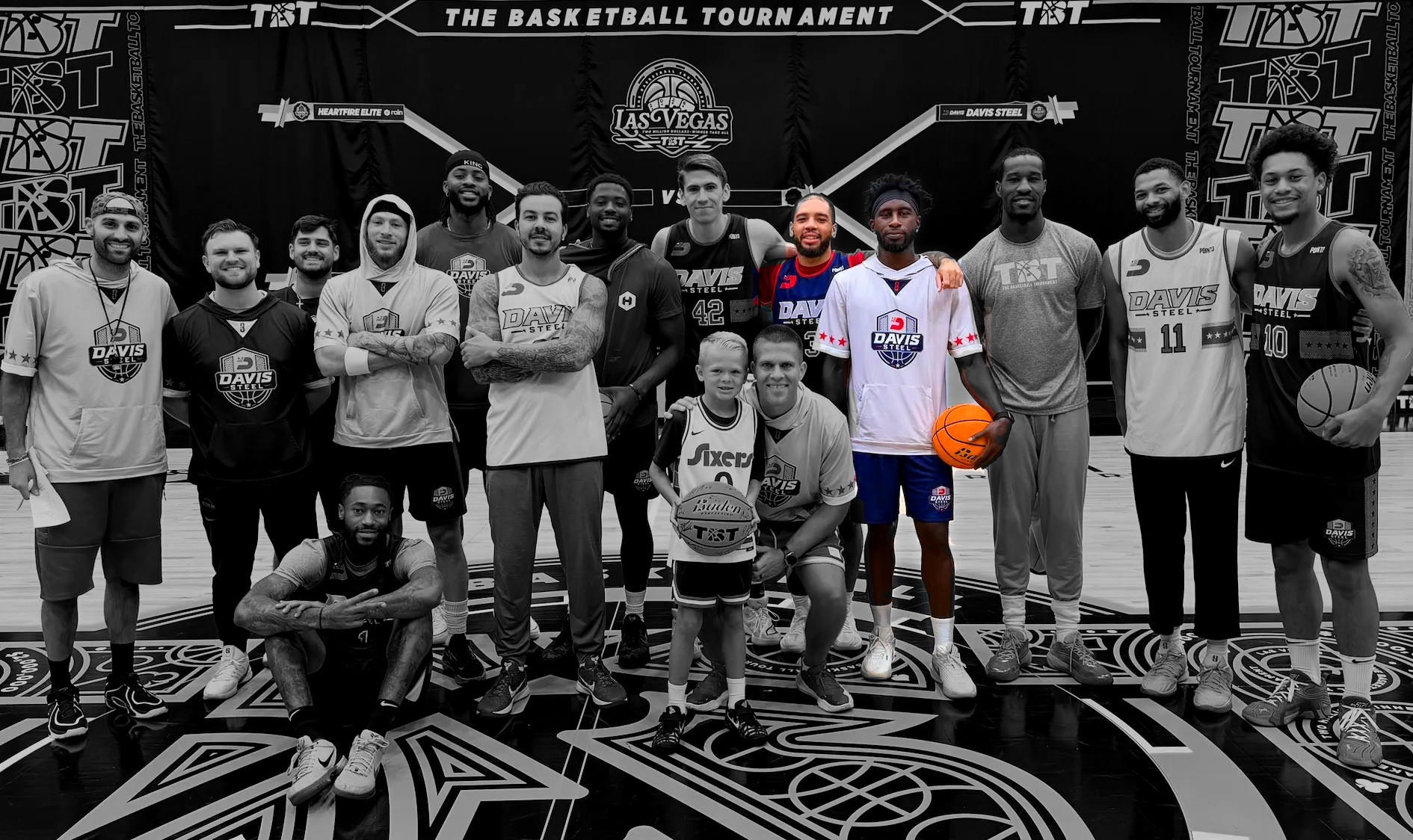
Now, I don’t care how team-first somebody is, that’s a potentially awkward situation. Here’s a guy who just helped us win two games as the starter, and now we’re considering sliding him back to the bench for someone who missed camp and the first two games. I remember our staff talking about how to handle it.
Turns out, we didn’t have to.
At practice, we split into two groups to run some offensive sets, like we did most days. I’ll never forget watching TB toss the ball to Anthony and motion for him to go with the first unit.
That was it.
No drama, no complaints, no big conversation about what he deserved. Just TB deciding that our team was better with Sapp starting and him coming off the bench.
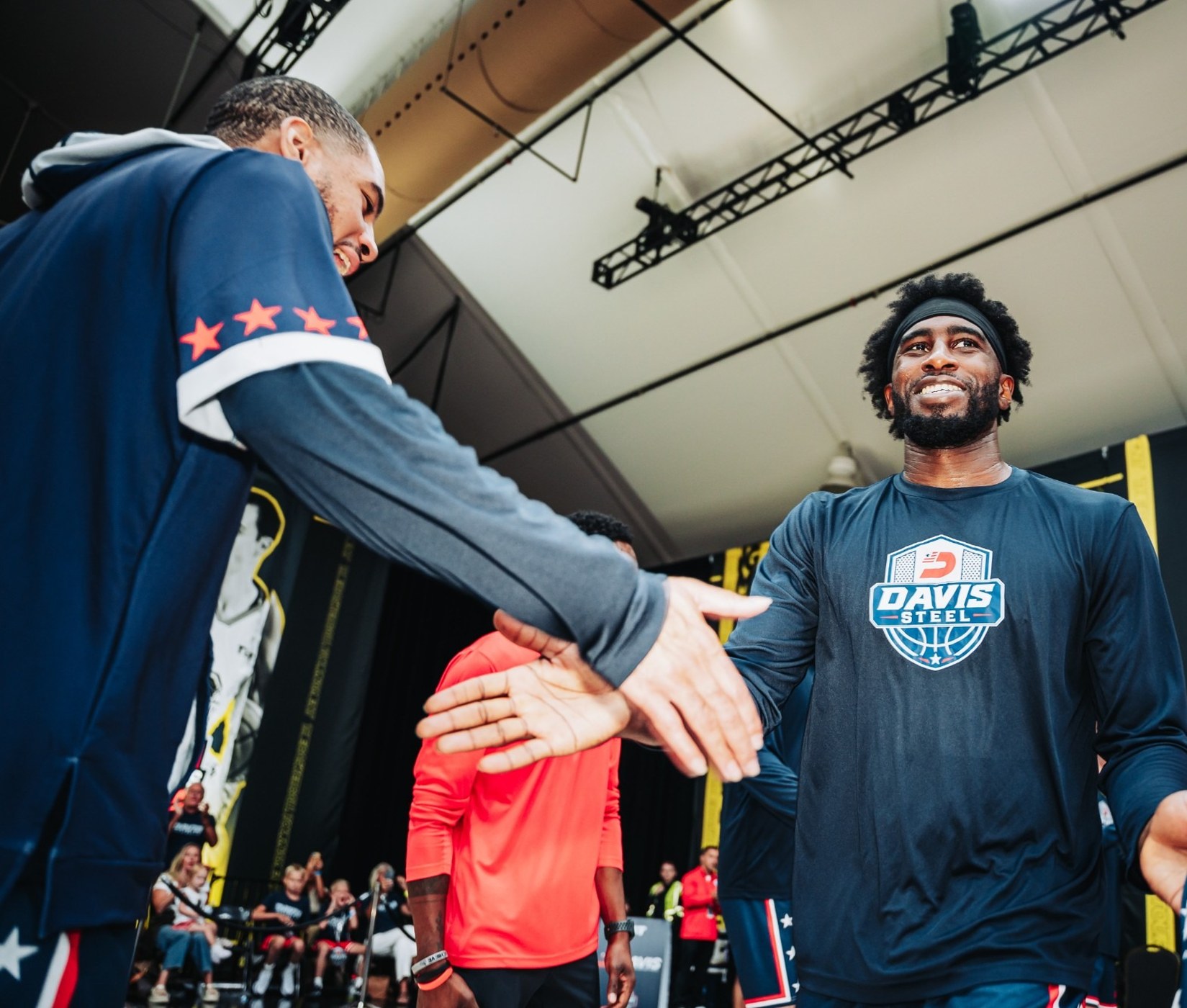
And here’s the crazy part. From that moment on, you could make a strong argument that TB was our best player. He was so good coming off the bench, making enormous plays throughout our championship run, including back-to-back game winners in our final two games.
Think about that. A guy who willingly gave up his starting spot ended up making two of the biggest shots of our entire tournament.
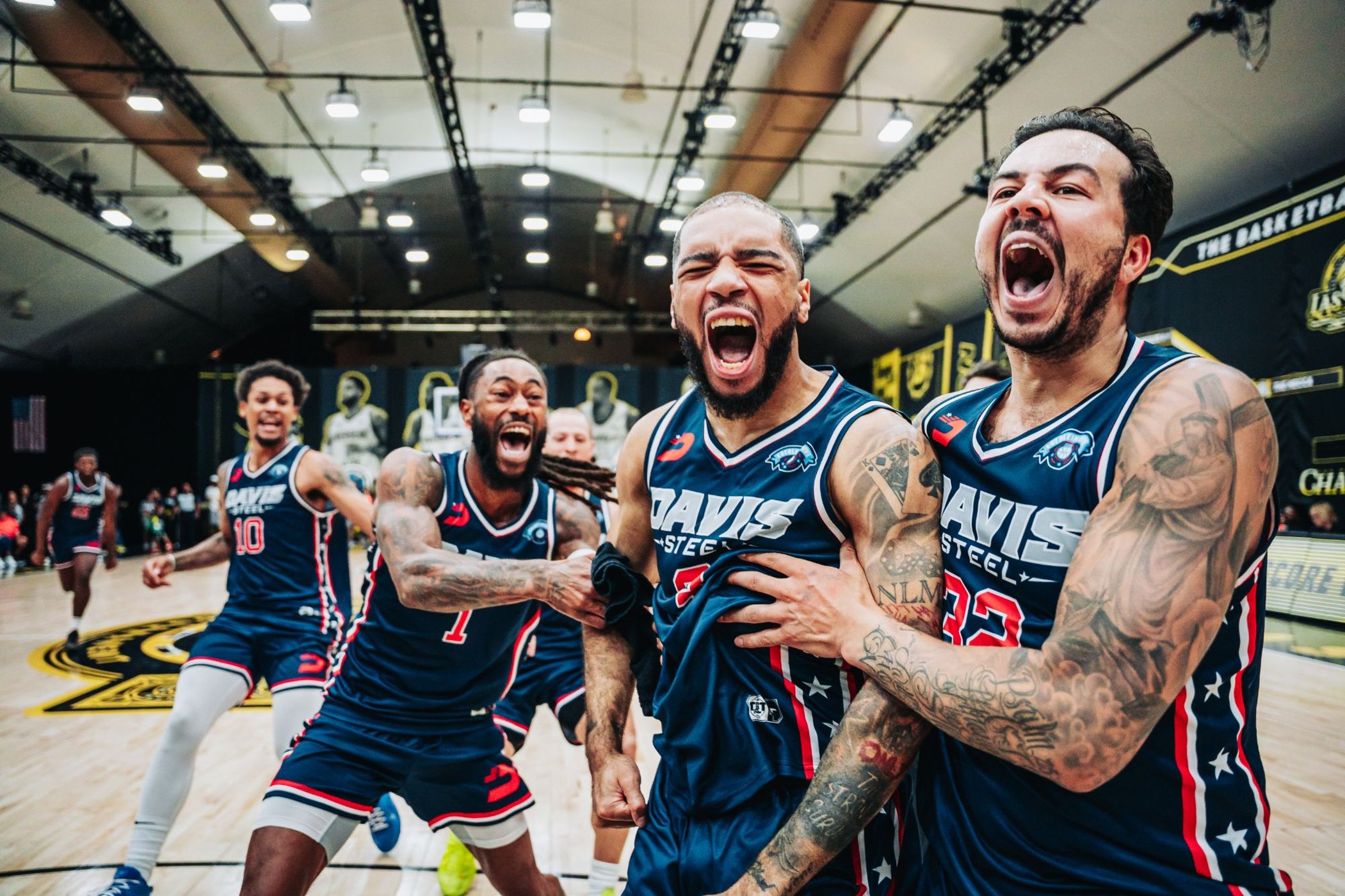
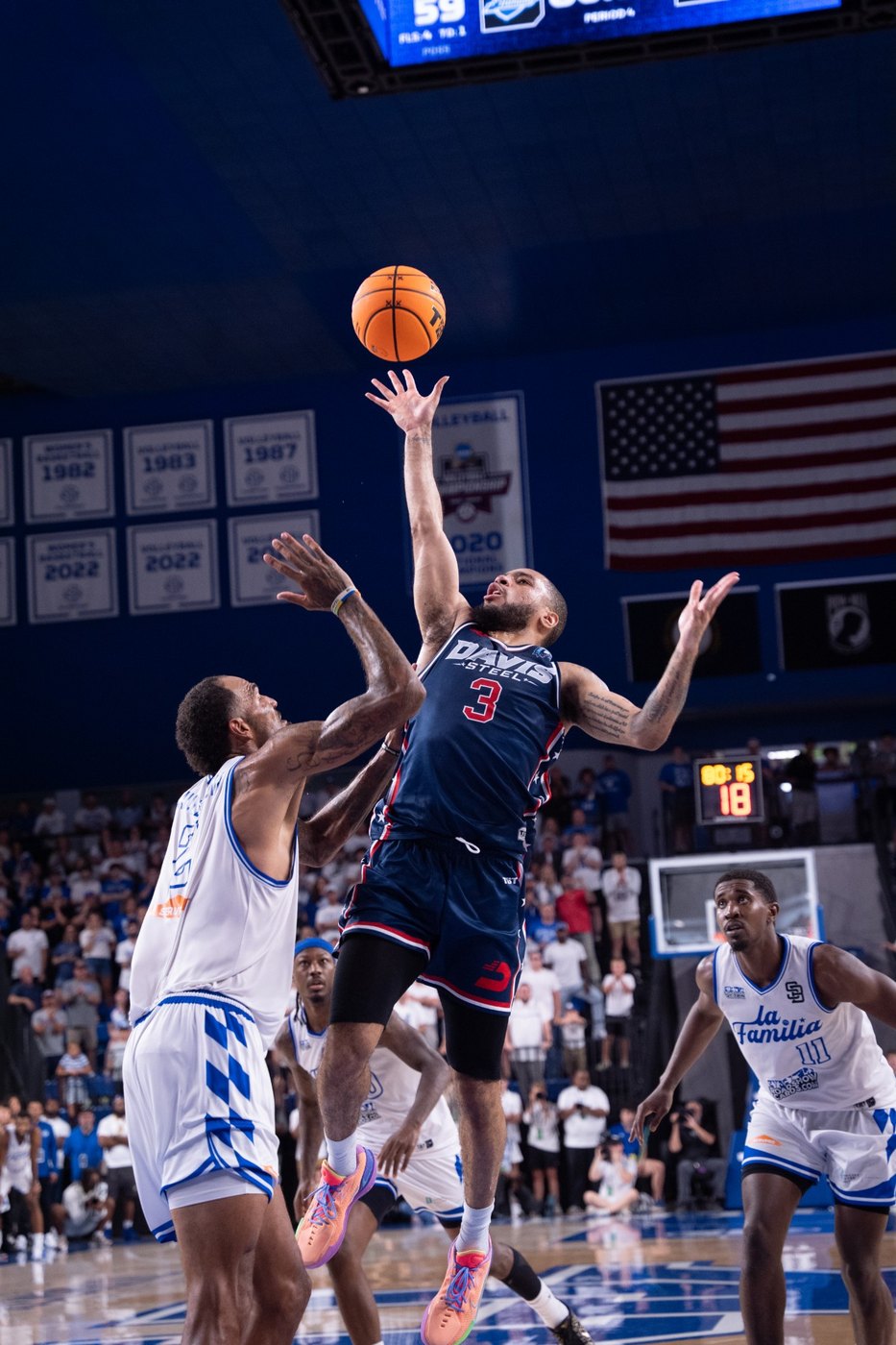
But as much as I remember those shots, I don’t think I’ll ever forget watching him hand that ball to Anthony.
That willingness to put the group first wasn’t limited to the players. It’s something I’ve come to appreciate about the people behind the scenes, too.
When Jake and I started, there wasn’t much of an organization. We were the general managers, but that title sounded a lot more impressive than the job. We recruited players, booked hotels, arranged flights, coordinated transportation, figured out meals and handled equipment. That included plenty of runs to Walgreens for Tylenol, Band-Aids or whatever somebody needed at the last minute. We had nobody to delegate to, so we did it ourselves.
Without realizing it, that probably helped establish the culture we’ve tried to keep. Our players saw us working and going out of our way to take care of them. Early on, I figured being a GM meant being the guy in charge. Over time I’ve found there’s something much more rewarding about serving people than telling everybody what to do.
And that spreads.
As we’ve added coaches and staff, so many of them have brought the same attitude. I talked plenty about Jake in my last article, so I won’t spend another thousand words on how great he is. Although I could. But this is a guy who still does our players’ laundry every night during TBT.
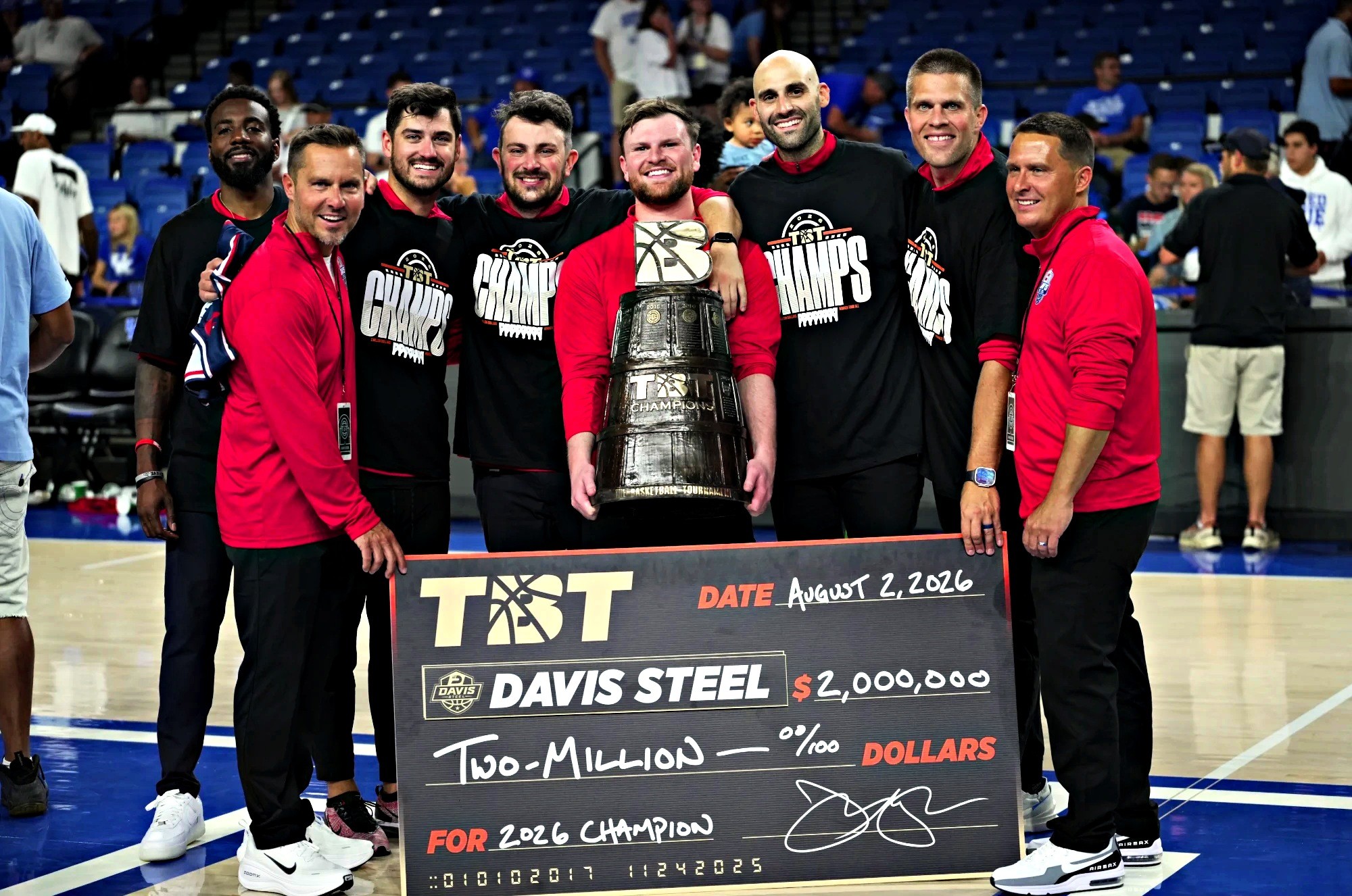
Our coaches and staff are the same way. Coach Malat is a great example. He had his wife and two young kids with him in Las Vegas for two weeks, and then they all traveled across the country to Kentucky for the championship. Somehow he juggled all of that while staying totally present and 100% locked in on our team. That’s sacrifice, and that’s service.
Jacob Freeze, a high school coach and PE teacher in South Carolina who has been on our staff the last three years, ran errands, picked guys up at the airport, helped with laundry, prepped for practices and scouted opponents.
Zach Hopp, one of our longtime assistants, had conflicts this summer and couldn’t be with us, but he still helped from afar and brought in some extra help: Yutaro Nohara, a student assistant coach at Arkansas State. Yutaro was actually in Japan during the tournament, so when we woke up in the morning, the games were already coded and ready for our staff to review, break down and scout from.
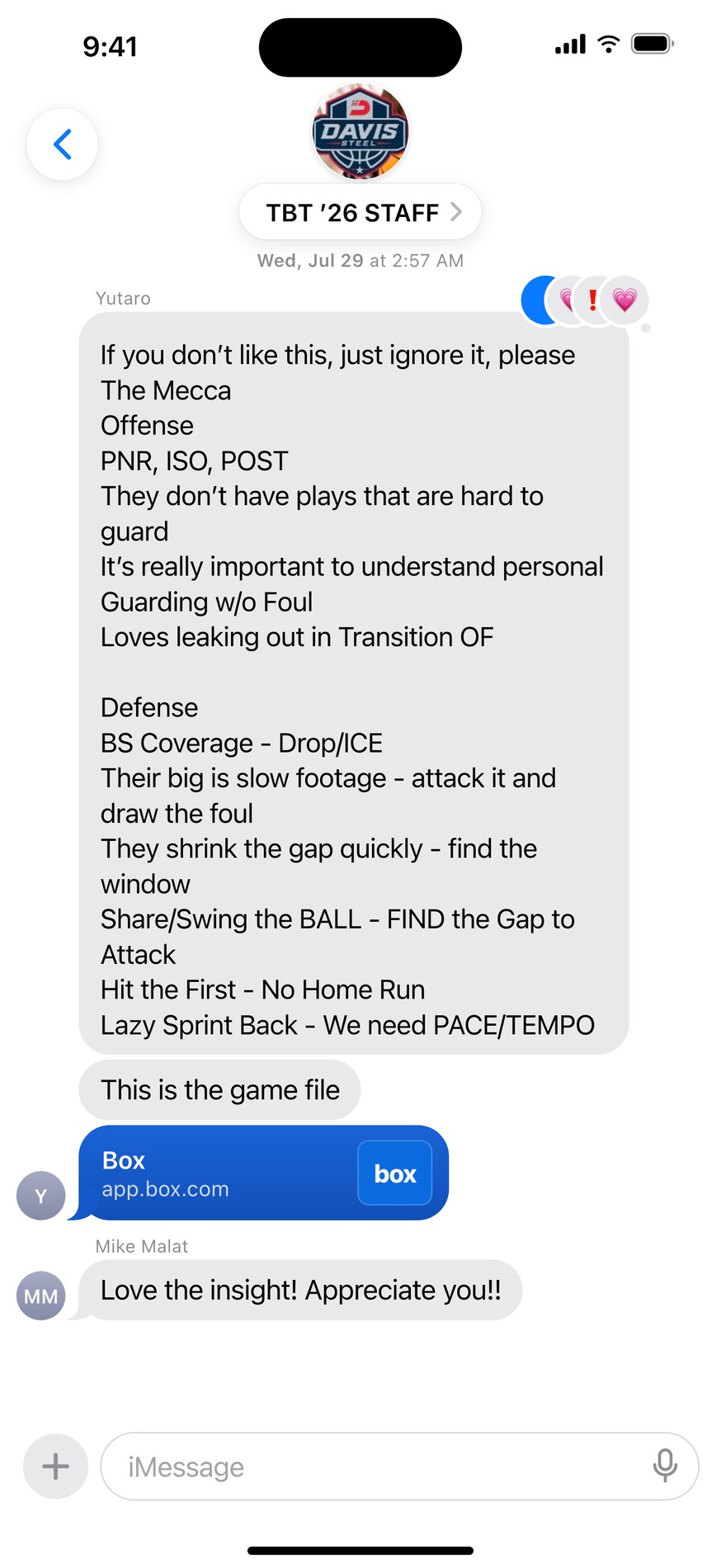
Nobody acted like any of those jobs were beneath them. They just wanted to help us win.
I know “servant leadership” gets thrown around a lot and may have become a little cliché. But man, I believe in it. I’ve seen what happens when people feel cared for by the people leading them. The little things turn into trust, loyalty and a willingness to sacrifice for the group.
It’s not just a basketball thing, either. I’ve always enjoyed entrepreneurship, and I’ve got my hands in a few different businesses. Over the years, I’ve met some incredibly talented and successful people who, on paper, looked like they could be great partners or additions to a team.
But I’ve also learned there’s only so much you can figure out from someone’s résumé, references or even a few initial conversations. Sometimes it takes actually spending time together, working through challenges and seeing how somebody operates before you understand whether you’re the right fit for one another. And that doesn’t mean there’s anything wrong with either person. Sometimes two people are really good at what they do, but their strengths and personalities just don’t complement each other the way you’d hoped.
So these days, I try to ask the same questions about a potential partner or hire that I ask a recruit.
How do they treat people? How do they handle a smaller role, a tough loss or somebody else getting the credit? Do they make the people around them better?
The more I work with different people and organizations, the more I realize how much basketball has shaped the way I think about building teams.
I want to work with people who bring different strengths and perspectives, who challenge me, who are better than me at certain things and who want to see the people around them succeed. I don’t need everybody to think like me or agree with everything I say. I want people who push back, share credit and occasionally make a sacrifice because it’s what’s best for the group.
I’m not pretending I’ve figured this out. I’ve made plenty of mistakes, and I’m sure I’ll make plenty more. Sometimes you do everything right and still lose. We had an incredible group in 2025 and came up one game short. You still need talent, preparation, good coaching, execution and a little luck. That’s sports, and business, for that matter.
But one of the things I’ve come to enjoy most is the actual process of building a team. Getting to know people, understanding what makes them different, figuring out how their strengths complement one another and finding ways to put them in positions to succeed.
Early on, I probably spent most of my time thinking about whether somebody was good enough to play for us.
These days, I spend just as much time thinking about whether they’re the right person to play WITH us.
And I’ve learned those aren’t always the same thing.
Thank you to everyone who’s been part of it.